
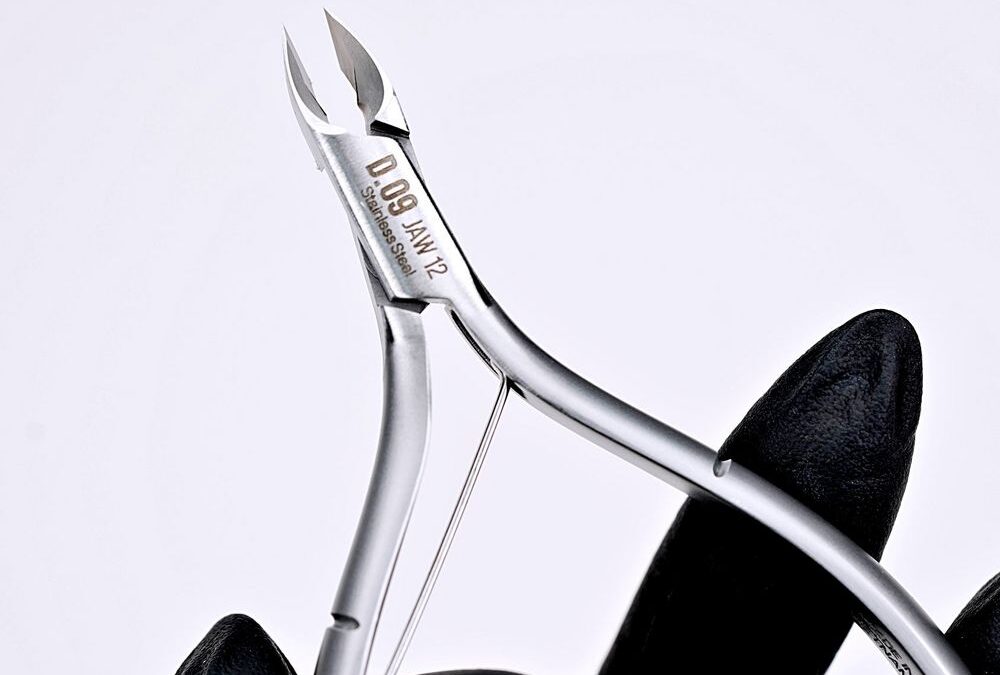
The clinic lamp hums. A client waits in a mobile kit set-up. A tech opens a new pack and lifts the D09 12 Clippers with Grip Control. The polished, chrome-like tool catches the light. Clean prep starts with inspection.
How to start a visual walkthrough
Begin on a clean work surface. Use bright, diffuse light to avoid missing tiny burrs. Hold the D09 Jaw 12 Cuticle Clippers with Grip Control up against a white background — the product photo shows a silver clipper on white, and that contrast helps reveal flaws.
- Check the finish: the blades and body should show a smooth, chrome-like metallic polish with no pits or flaking.
- Match packaging: confirm the green/black retail card is present as shown in the photo inset; this helps confirm the item identity.
- Inspect colors and accents: the tool is silver metallic; packaging has bright green accents — inconsistent colors can indicate a wrong batch.
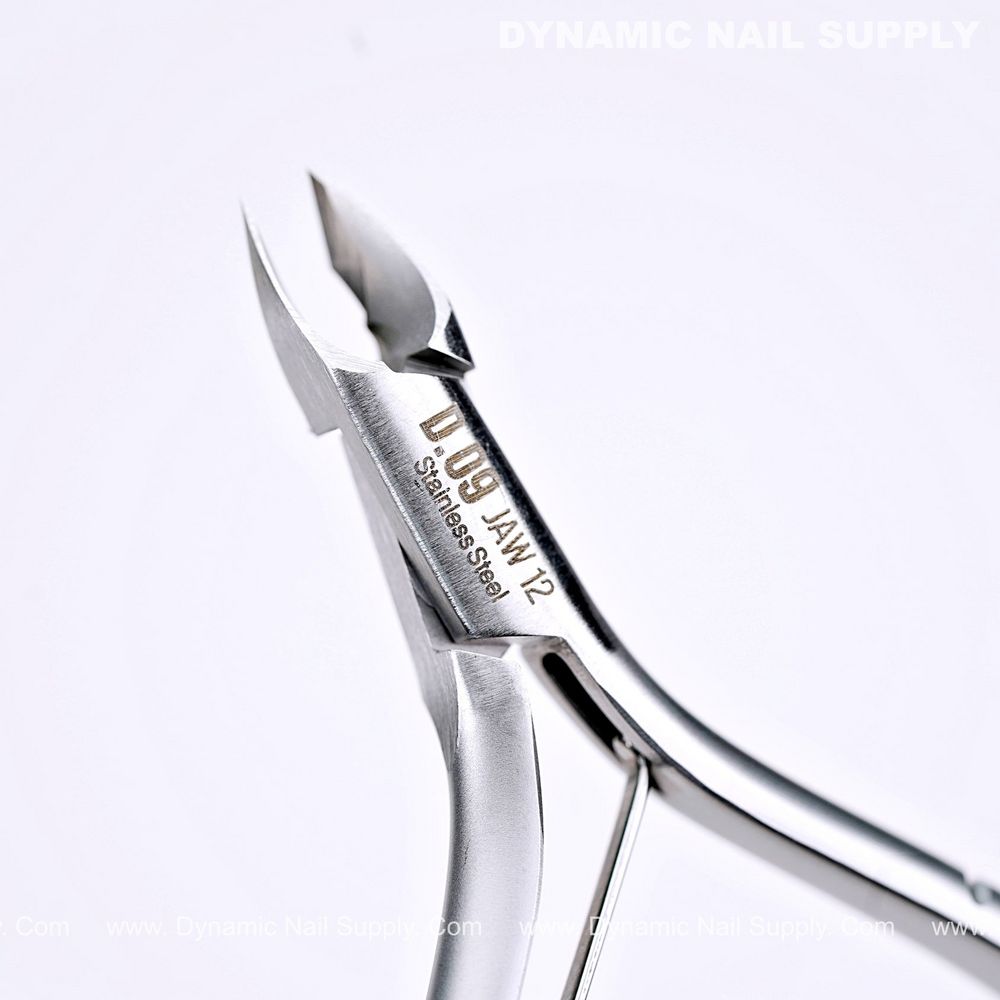
- Examine the jaw: the sharp curved cutting jaw should be visible in close-up and free of chips or mis-shaping.
How to check jaw alignment and edge quality
Jaw alignment is crucial for clean cuts. For the D09 Jaw 12, focus on the curved, sharp jaw geometry. Use these quick tests.
- Close the nippers slowly. The cutting edges should meet along the full curve without gaps or light leakage between blades.
- Look for burrs at the edge using a magnifier. A polished stainless finish makes burrs easier to spot; any visible burrs are cause for return.
- Check the cutting radius. Jaw 12 (quarter) is small — the curve should be tight and even, matching the expected 4.5–5.5 mm working zone for light trimming.
How to test tension, spring and grip control
Tension affects control and hand fatigue. The D09 design highlights grip control and a smooth spring. Evaluate these parts carefully.
- Open and close the nipper through several cycles. Movement should be smooth and quiet with no sticking.
- Feel the spring: it should provide consistent return without excessive resistance. Too stiff a spring strains the hand; too loose reduces precision.
- Assess the hinge and joint: the polished hinge should operate without wobble. A smooth joint equals reliable trimming.
- Grip check: hold the ergonomic handle as you would in service. The grip control design should feel secure and natural in a one-handed hold.
How to document, log and decide acceptance
Logging saves time and reduces returns. Keep a short record for each incoming batch. A minimal log needs a few fields.
- Batch code or pack count.
- Date received and source.
- Visual pass/fail for finish, jaw, hinge and spring.
- Any corrective action taken (sharpen, quarantine, return).
When a unit fails any critical check — visible burrs, misaligned jaw, sticky joint, or missing packaging elements such as the green/black retail card — mark it for return. For marginal issues, isolate the unit, note the problem, and move it to a repair or testing tray before use on clients.
How to include quick specs in your checklist
Attach a short specs block to each incoming pack for fast comparison. Use only facts visible or stated by the item.
- Tool: D09 12 Clippers with Grip Control — Sharp curved jaw design
- Material: surgical‑grade stainless steel, polished chrome-like finish
- Jaw size: Jaw 12 (quarter) — light cuticle trimming range
- Finish/packaging: polished silver tool with green/black retail card
- Price on receipt: $15 (prices may change)
For bulk deliveries, spot-check a sample from each box. If more than a small percentage fail inspection, log the batch and escalate to your supplier.
How to handle safety, sterilization and storage
These nippers are surgical-grade stainless steel and tolerate sterilization. Still, follow salon protocols.
- Clean tools before sterilization to remove oils or debris.
- Autoclave according to your salon policy for steel instruments.
- Store blades closed and covered. A small protective sleeve or dedicated tray keeps edges sharp and safe.
- Label active vs. quarantine stock to avoid accidental use of failed items.
For a quick reference lead-in to the product link, use this short note to pull up product info if needed:
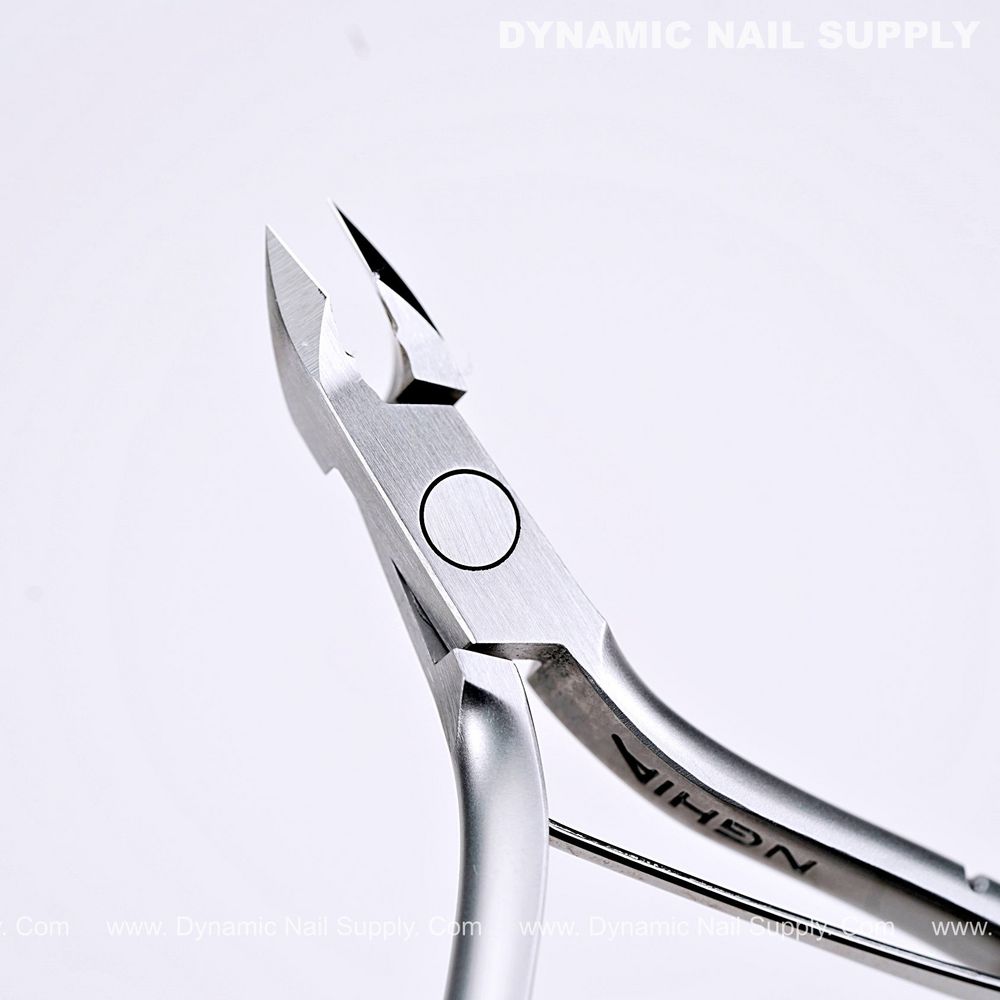
Polished chrome-like finish on a clean backdrop
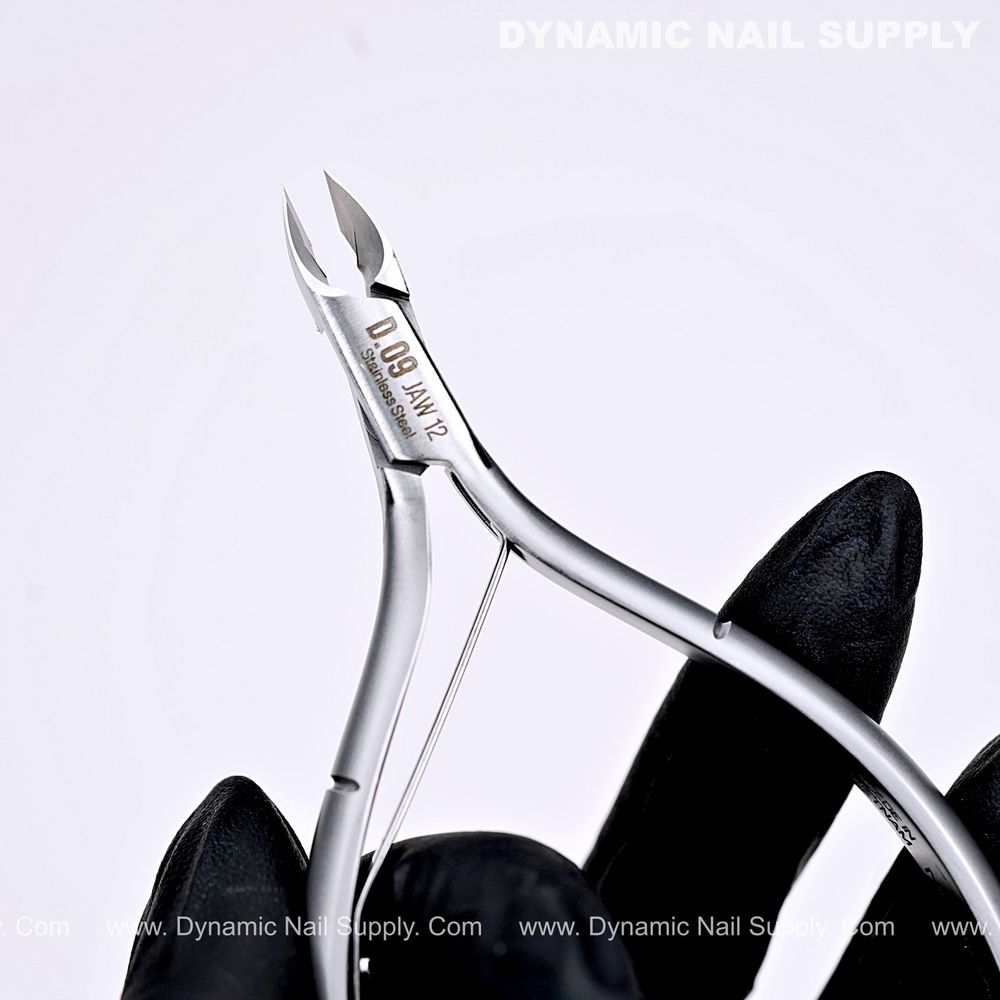
Close-up shows the sharp curved jaw edge
Retail card inset with bright green accents
How to integrate the checklist into mobile workflows
Mobile techs need speed. Make the checklist compact and repeatable.
- Create a laminated one-page checklist that fits in the kit pocket.
- Run the visual and movement checks before the first client of the day.
- Log any failures with a timestamp and photo for supplier claims.
- Rotate tools: keep at least one inspected spare to avoid service delays.
Simple checks up front preserve client trust and keep the D09 Jaw 12 Clippers with Grip Control performing as intended. A short routine prevents surprises during service.
Mini FAQ
1. How often should inspected tools be rechecked? Quick visual checks daily, full QA on new batches.
2. What if a single unit fails? Quarantine the unit, log it, and replace from inspected stock.
3. Can these be autoclaved? Yes, surgical-grade stainless steel tolerates standard sterilization protocols.