
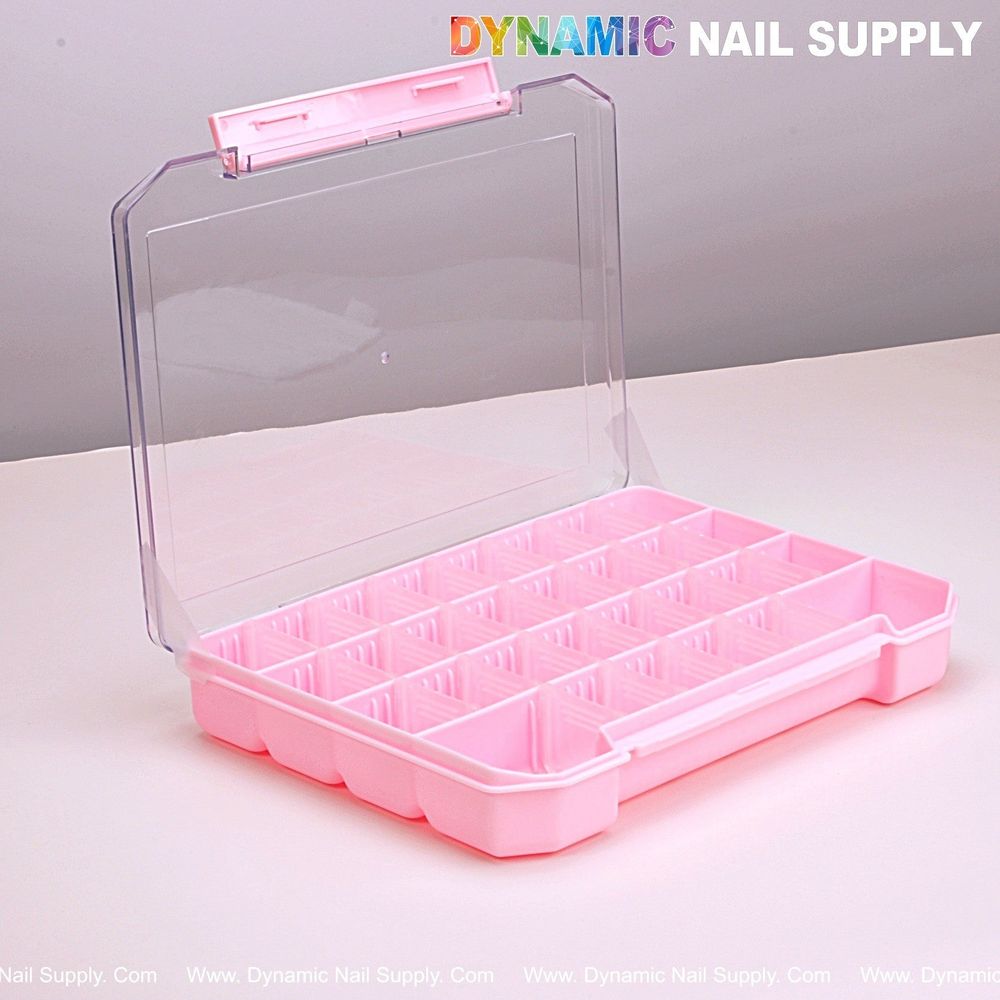
Small parts—charms, rhinestones, beads—can derail a nail kit or craft station fast. A compact, compartmentalized storage solution keeps everything visible, protected, and portable so you spend less time hunting and more time creating. This guide walks a beginner through what a pink 30-grid charm organizer case is, how its removable dividers work, and exactly how to set it up for nail art or craft projects.
Before you start sorting, consider whether you’d like to buy this charm organizer case to simplify storage; it’s a lightweight, stackable option with 30 individual compartments designed for small items.
Fast product snapshot: what you’re looking at
- Style: pink, slim plastic case with 30 grid compartments.
- External dimensions: 10.0″ long × 7.0″ wide × 1.5″ high.
- Individual grid size: approximately 1.5″ × 1.1″ × 1.5″, with removable sections to change layout.
- Material: sturdy plastic for everyday handling and transport.
- Uses: ideal for nail art charms, rhinestones, beads, small jewelry parts and similar tiny items.
Key terms explained for beginners
New to organizers? Here are a few simple definitions so you can set up thoughtfully.
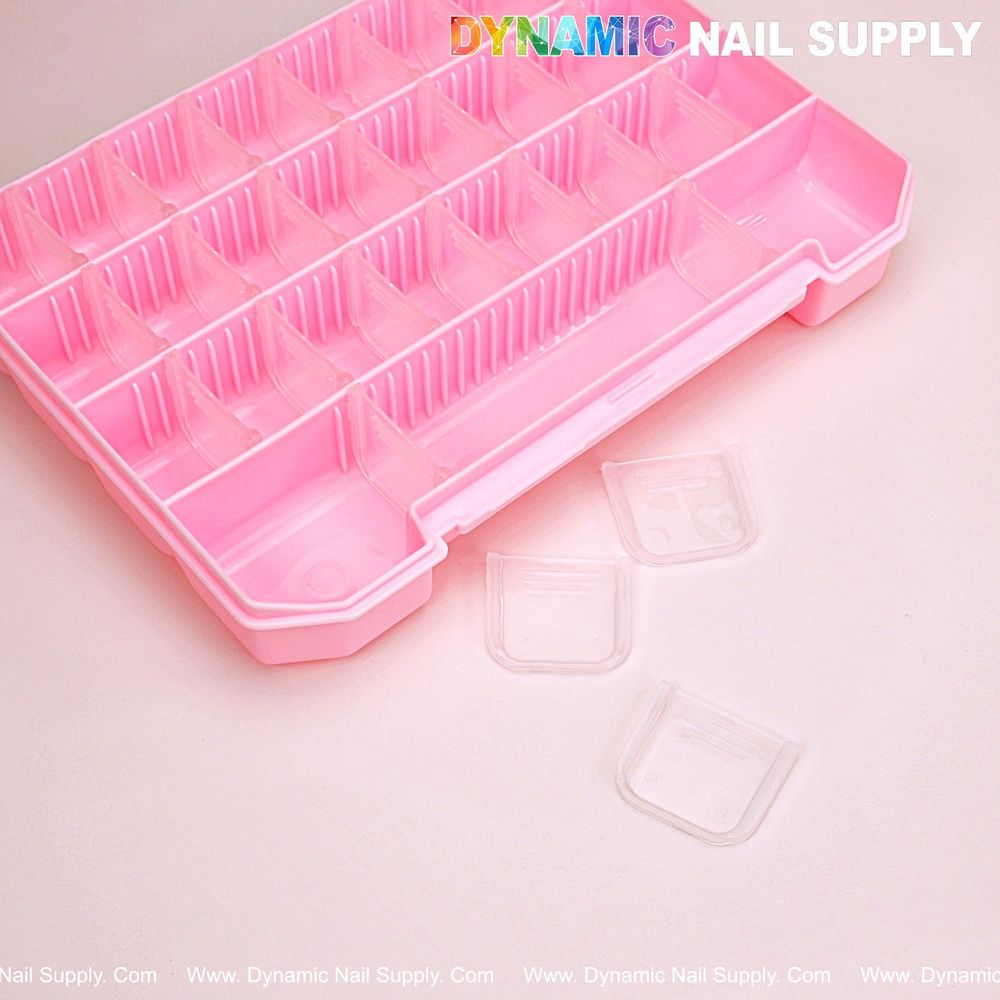
- Grid compartment: a small divided area inside the box that keeps a single type of item from mixing with others.
- Removable divider: a piece of plastic you can take out to combine adjacent compartments, creating larger storage spaces for bigger items.
- Sturdy plastic: durable, lightweight material that protects contents and is easy to carry.
Step-by-step: how to organize nail charms (beginner method)
- Empty and clean a workspace. Lay down a towel or tray so small pieces don’t roll away.
- Sort by type and size. Group charms, rhinestones, or beads by color, shape, or size—whatever system you’ll use when you work.
- Plan your layout. Decide which groups need single compartments and which need combined space. Remove dividers where you want larger pockets.
- Fill compartments carefully. Use tweezers or a small scoop to place items into each grid to avoid spills.
- Label if helpful. A small adhesive tab on the lid next to each column makes retrieval faster during services or crafting sessions.
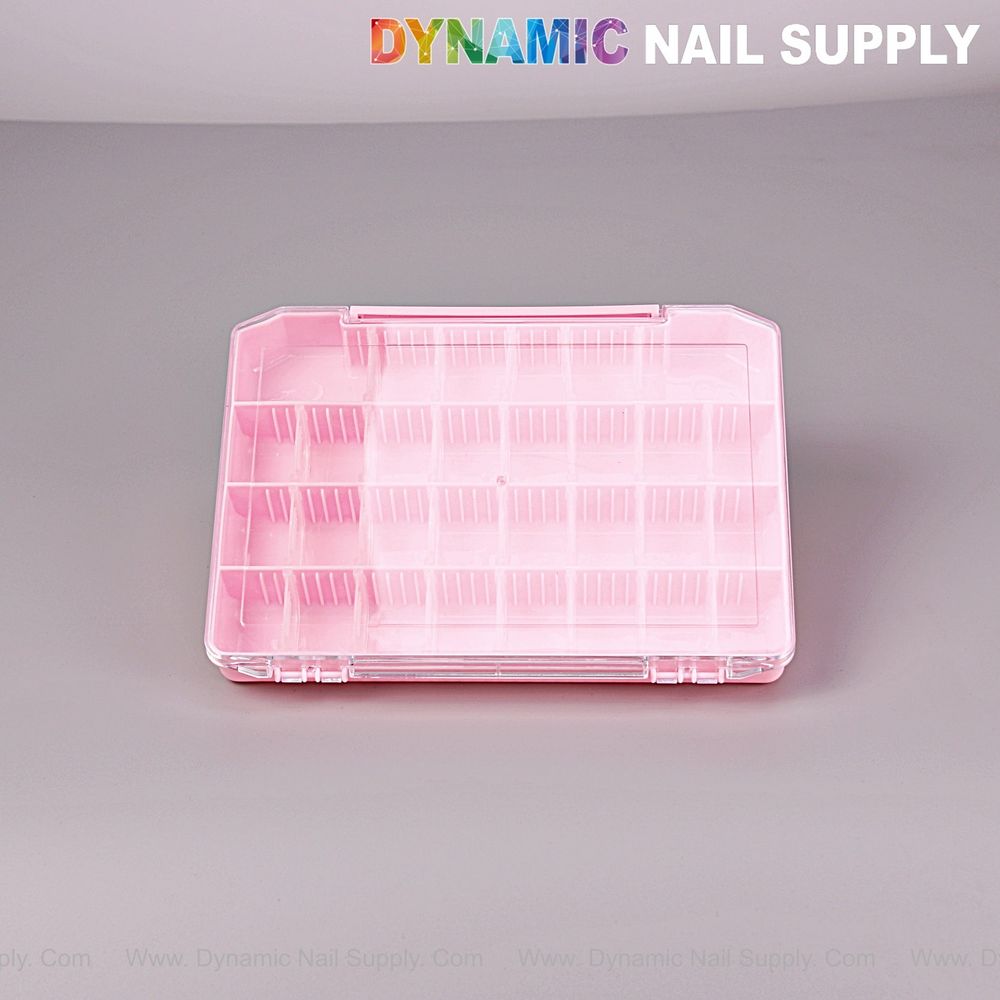
- Close and store. Snap the lid shut and stack or place the case in an organized drawer or kit bag for easy transport.
Practical tips to get the most from your case
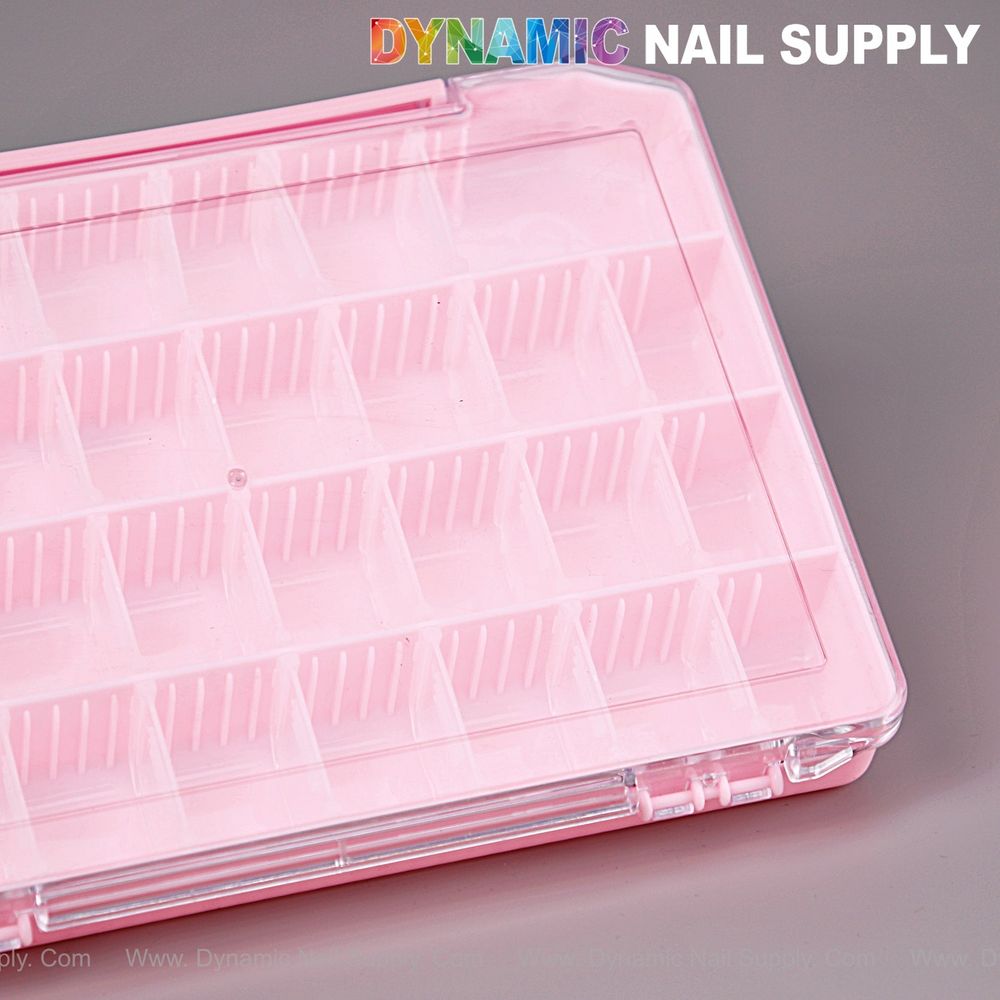
- Use removable dividers creatively: Combine multiple cells for longer or layered charms, or leave some small slots empty to separate fragile pieces.
- Keep like with like: Storing all gold-tone charms in one area and silver in another speeds selection when you’re on a time-pressured job.
- Portability matters: Because the box is slim and lightweight, it’s ideal for mobile nail techs or craft fair setups.
- Stack for inventory: If you own several cases, use similar layouts so you can find items by memory rather than opening multiple boxes.
Who benefits from this organizer?
This type of case is designed for nail technicians, crafters, hobbyists, and anyone who needs to store many small items compactly. It’s especially useful for beginners building a starter kit because the fixed grid gives a simple, repeatable system for organizing supplies. You can find similar organizer options through sellers such as Dynamic Nail Supply.
Care and safe handling
- Routine cleaning: Wipe the exterior with a damp cloth; if compartments need cleaning, remove small items and use a soft cloth or mild soap and water on the plastic. Dry thoroughly before refilling.
- Avoid extreme heat: Keep the case away from high temperatures that could warp the plastic.
- Check closures: Before transport, make sure the lid is fully closed so compartments don’t spill into each other.
Final considerations and quick recap
For beginners who want a tidy, portable solution, a pink charm organizer case with 30 removable-grid compartments provides clear benefits: simple sorting, customizable layout, and durable protection for tiny items. Priced at $14.99 (prices may change), it’s an affordable way to upgrade a starter kit or streamline a professional setup.
Set aside a short organizing session to sort and label your supplies—once you have a system, refilling and finding pieces becomes a quick, reliable part of your workflow.